The first mile is a liar.
Your brain chatters away, listing everything you forgot to do, reminding you about the email you didn't send, wondering if you turned off the stove. Your body protests. Your knees feel creaky. Your breathing hasn't found its rhythm yet. You might be thinking about turning around.
But somewhere around mile one, something shifts.
The physical mechanics of walking create a kind of cognitive alchemy that researchers are only just beginning to understand. The stride settles into a steady cadence. Breath matches footfalls. Arms swing in opposition to legs, creating a bilateral movement that crosses the midline of the body. This cross-lateral motion activates both hemispheres of the brain simultaneously, and suddenly it's not just walking. It's thinking differently. I think this is where the modality EMDR began.
Stanford researchers found that walking increases creative output by an average of 60 percent. But it's not just about quantity. The quality of thinking changes, too. The anxious, looping thoughts that dominated the first ten minutes begin to untangle. The mind stops rehearsing arguments and starts wandering into unexpected territory.
Here's what actually happens in the brain after that first mile (I am no scientist, but this is what I have read):
The default mode network activates.
This is the part of the brain that lights up during daydreaming, mind wandering, and self-reflection. When we're sitting at our desks forcing ourselves to solve a problem, this network stays quiet. But when we walk, especially after the body settles into its rhythm, this network comes alive. Ideas that seemed stuck suddenly flow. Connections that couldn't be seen before become obvious.
Stress hormones drop.
Cortisol levels begin to decrease. The nervous system downshifts from fight-or-flight into a parasympathetic state. The physical act of forward motion tells the body that it's moving away from danger, even when the only danger is an overloaded calendar.
Perspective changes, literally.
New things appear with every step. Different angles of light, different trees, different houses, different people. Retinas process new visual information constantly, which keeps attention engaged without overwhelming it. This gentle stimulation prevents the mind from spiraling into repetitive worry loops.
Deeper memories become accessible.
That rhythm of walking mirrors the rhythm of thought itself. Poets have known this for centuries. Wordsworth walked when he composed. Thoreau famously said that the moment his legs began to move, his thoughts began to flow. The bilateral stimulation of walking helps access memories and ideas that feel buried when sitting still.
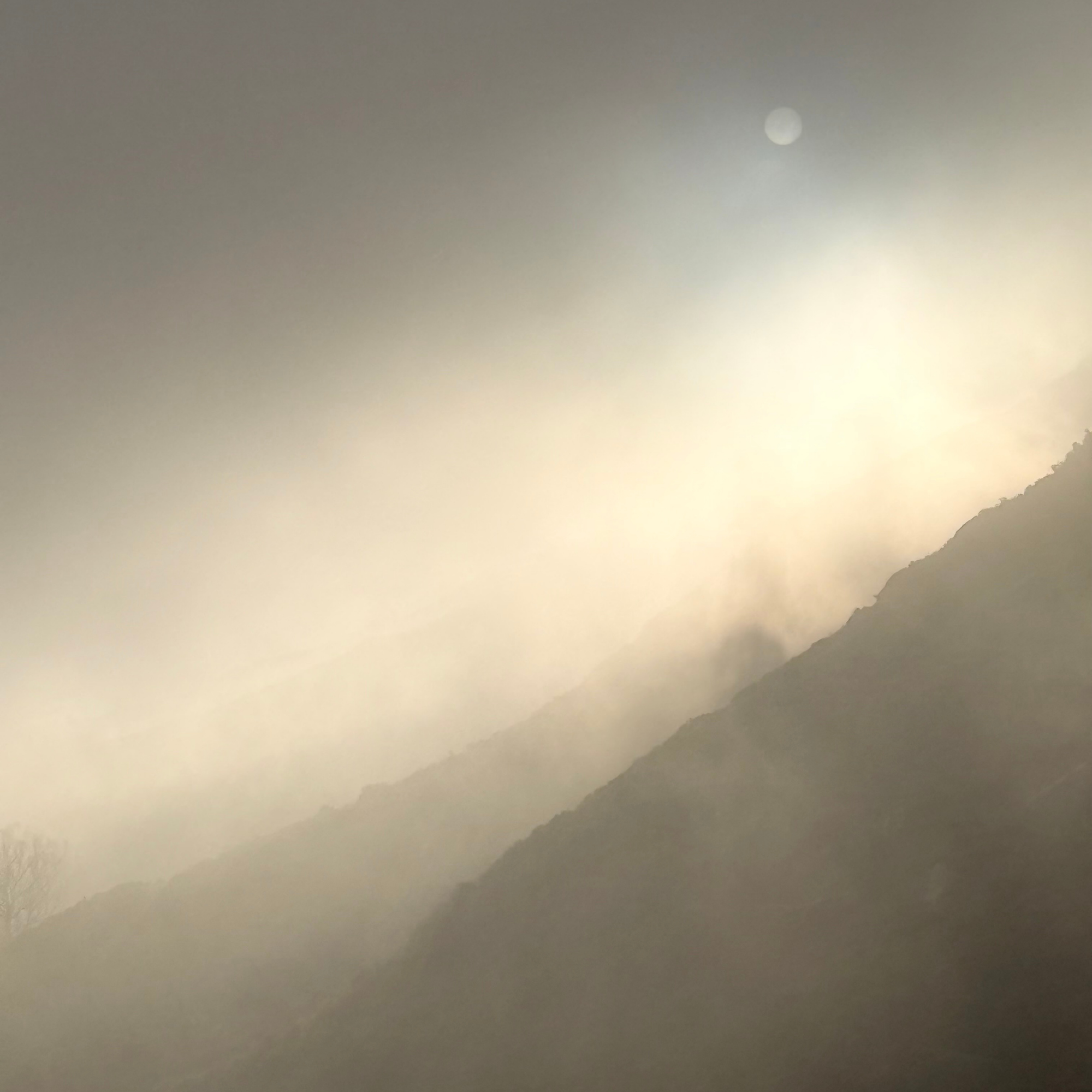
This morning, I left the house with a head full of noise. The first mile was a catalog of undone tasks and half-formed worries. I was replaying a conversation from yesterday, editing what I should have said, rehearsing what I'll say tomorrow. My shoulders were tight. My jaw was clenched. I was barely noticing the world around me because I was so busy arguing with the world inside my head.
And then, somewhere past the first mile marker, everything loosened. My breath deepened. My stride lengthened. I stopped narrating and started noticing. The way morning light caught on wet pavement. The sound of a woodpecker I couldn't see. A solution to a chapter I've been struggling with appeared fully formed, not because I was trying to solve it, but because I'd finally stopped trying. The walk didn't empty my mind. It changed what filled it.
This is why the practice continues even on mornings when resistance feels overwhelming. The first mile is always hard. It's always full of mental noise and physical complaints. But the second mile, the third mile, the fourth. Those miles are where the magic lives. Those are the miles where thoughts stop being the enemy and instead become a companion. Where the mind finally gets quiet enough to hear itself think.
The walk doesn't clear the mind; that's a misconception. The walk changes the quality of what fills it. Thoughts after the first mile aren't absent. They're just better. Kinder. More creative. More true.
So when you lace up tomorrow and your brain immediately starts listing all the reasons to stay inside, just promise yourself one mile. Because what happens after that first mile isn't something anyone can predict or control. It's something to walk into.
And it's always, always worth it.
Libby DeLana is an executive creative director with an explorer’s heart. She writes about walking, cold water, and the small rituals that make a life feel awake. Her books, Do Walk and Cold Joy, are companions for anyone who likes a little adventure in their days. You can find her on Instagram @thismorningwalk, @thiscoldjoy, and @parkhere. You can find Cold Joy at thiscoldjoy.com.